 France
Indicative style profile; not a critic score.
 In the Glass
 The Story
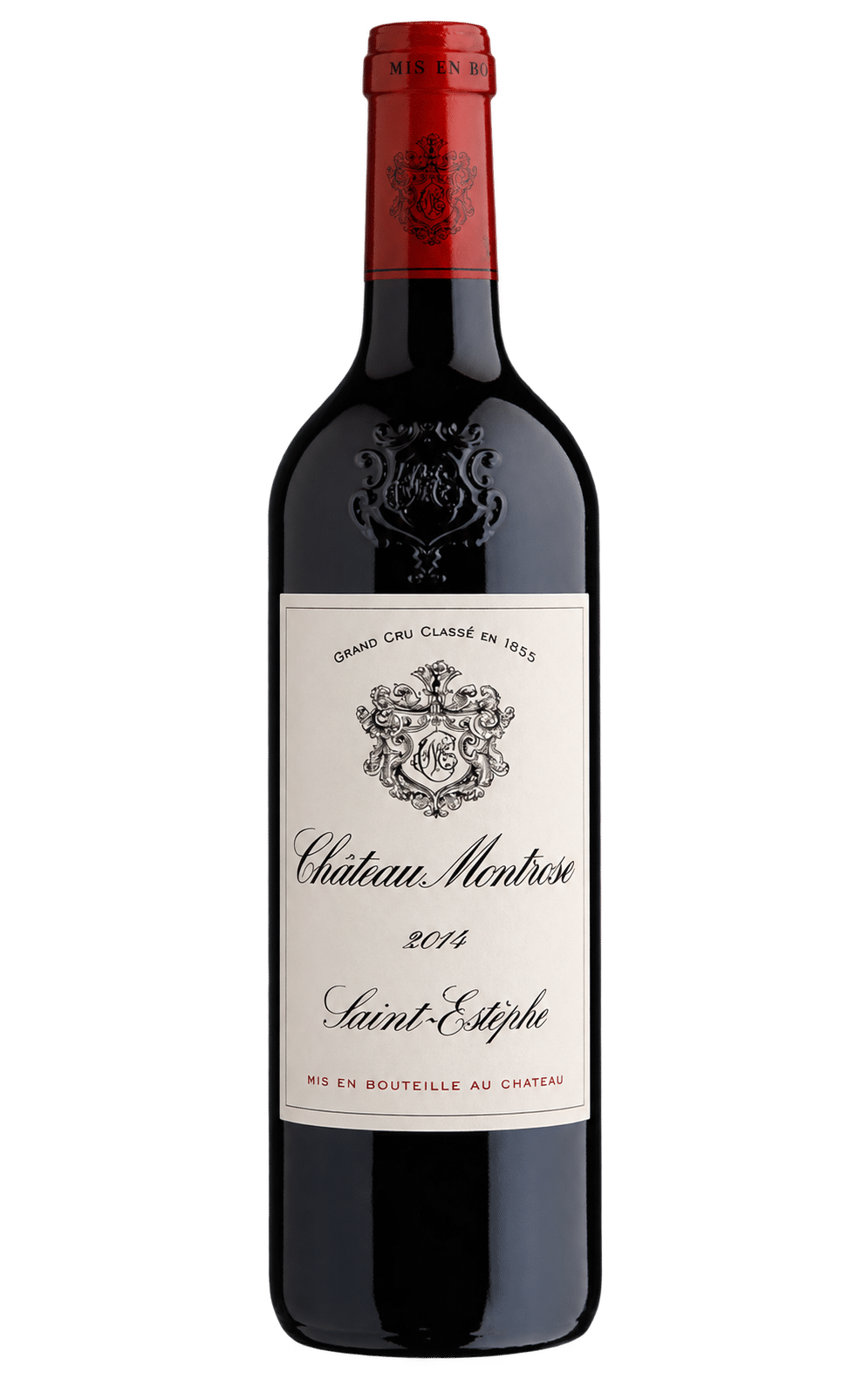
Montrose 2014 offers a classical Left Bank combination of Cabernet depth, freshness and firm structure. It rewards time in the glass, gradually revealing more fruit and a finer, more supple texture.
 The Producer
Château Montrose is a Second Growth in Saint-Estèphe, known for structured wines with the capacity to develop over many years.
 Place & Terroir
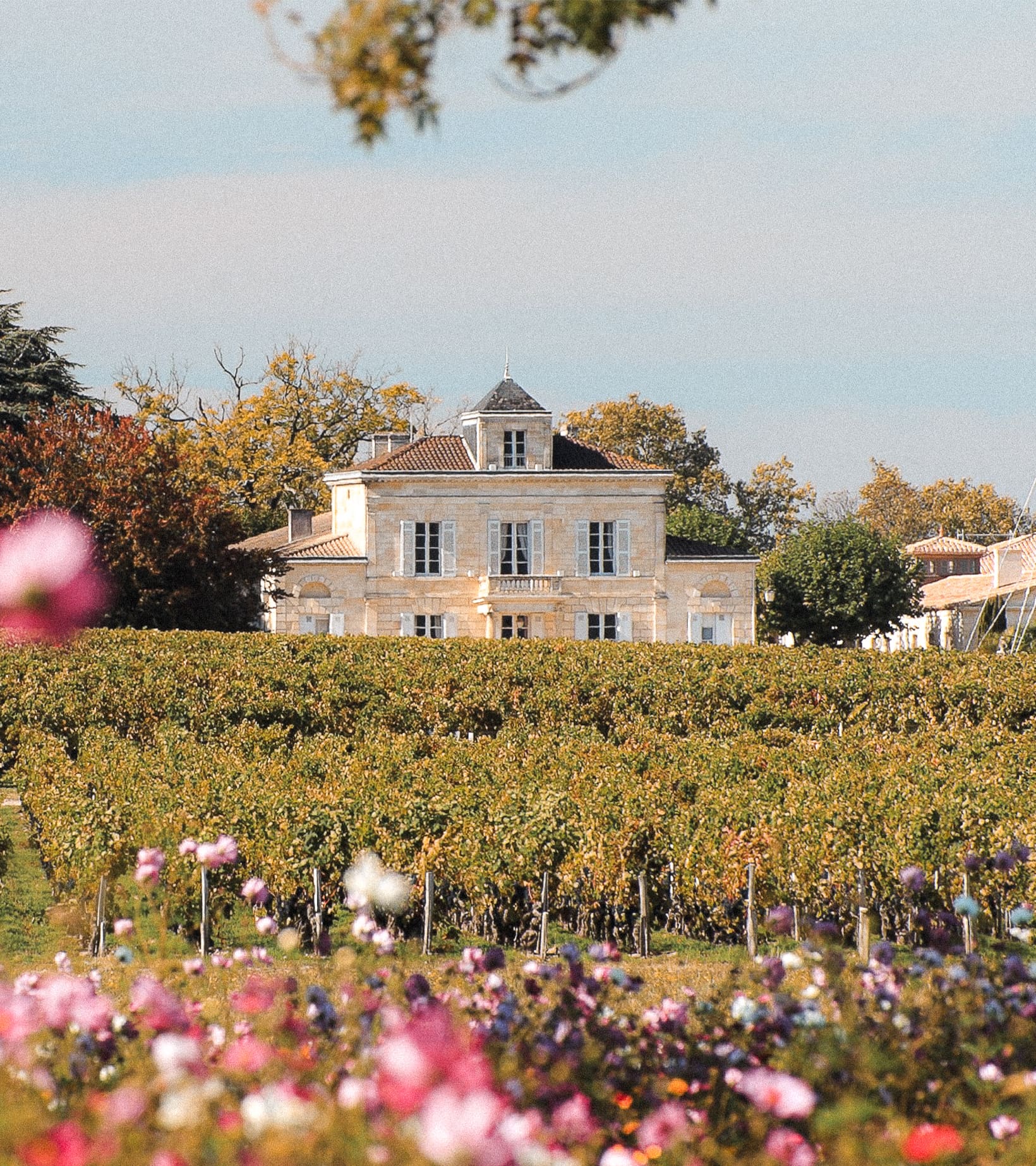
The estate’s position near the Gironde estuary helps moderate the vineyard climate. Cabernet Sauvignon forms the core of this four-variety blend.
61% Cabernet Sauvignon, 30% Merlot, 8% Cabernet Franc, 1% Petit Verdot
The estate harvested from 22 September to 16 October. Fruit was selected parcel by parcel, with separate vinification and careful selection of press wines before blending.
Long and focused, with lingering dark fruit, savoury detail and a firm mineral impression.
97 Points — Decanter
97 Points — James Suckling
96 Points — Robert Parker’s Wine Advocate
 Perfect Pairings
Roast rib of beef; Herb-crusted lamb; Wild mushroom dishes.
Serve at 16–18°C. Open and taste before deciding on decanting; a sound, youthful bottle may benefit from one to two hours of air.
 Worth Knowing
Cellaring should bring greater savoury complexity while retaining the shape of its Cabernet-led structure.
Drinking guidance is indicative and assumes sound bottles stored correctly.
FranceIndicative style profile; not a critic score.
In the GlassThe StoryMontrose 2014 offers a classical Left Bank combination of Cabernet depth, freshness and firm structure. It rewards time in the glass, gradually revealing more fruit and a finer, more supple texture.
The ProducerChâteau Montrose is a Second Growth in Saint-Estèphe, known for structured wines with the capacity to develop over many years.
Place & TerroirThe estate’s position near the Gironde estuary helps moderate the vineyard climate. Cabernet Sauvignon forms the core of this four-variety blend.
61% Cabernet Sauvignon, 30% Merlot, 8% Cabernet Franc, 1% Petit Verdot
The estate harvested from 22 September to 16 October. Fruit was selected parcel by parcel, with separate vinification and careful selection of press wines before blending.
Long and focused, with lingering dark fruit, savoury detail and a firm mineral impression.
97 Points — Decanter
97 Points — James Suckling
96 Points — Robert Parker’s Wine Advocate
Perfect PairingsRoast rib of beef; Herb-crusted lamb; Wild mushroom dishes.
Serve at 16–18°C. Open and taste before deciding on decanting; a sound, youthful bottle may benefit from one to two hours of air.
Worth KnowingCellaring should bring greater savoury complexity while retaining the shape of its Cabernet-led structure.
Drinking guidance is indicative and assumes sound bottles stored correctly.